News & Events
LHU Approaches Media Training Programs Aligned with TikTok International Professional Certificates
From Visiting the TikTok Academy to Implementing Hands-On Training for Students
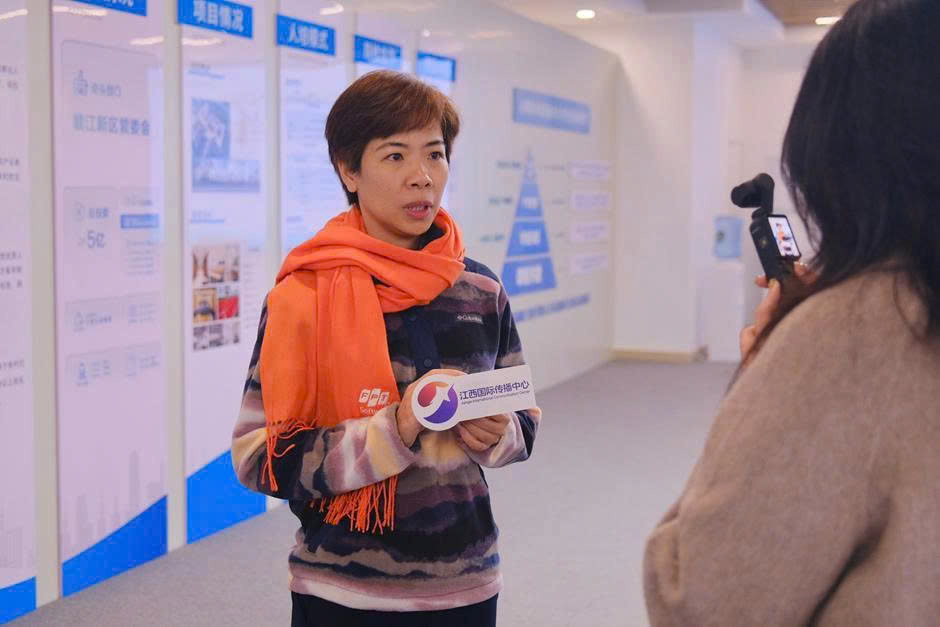
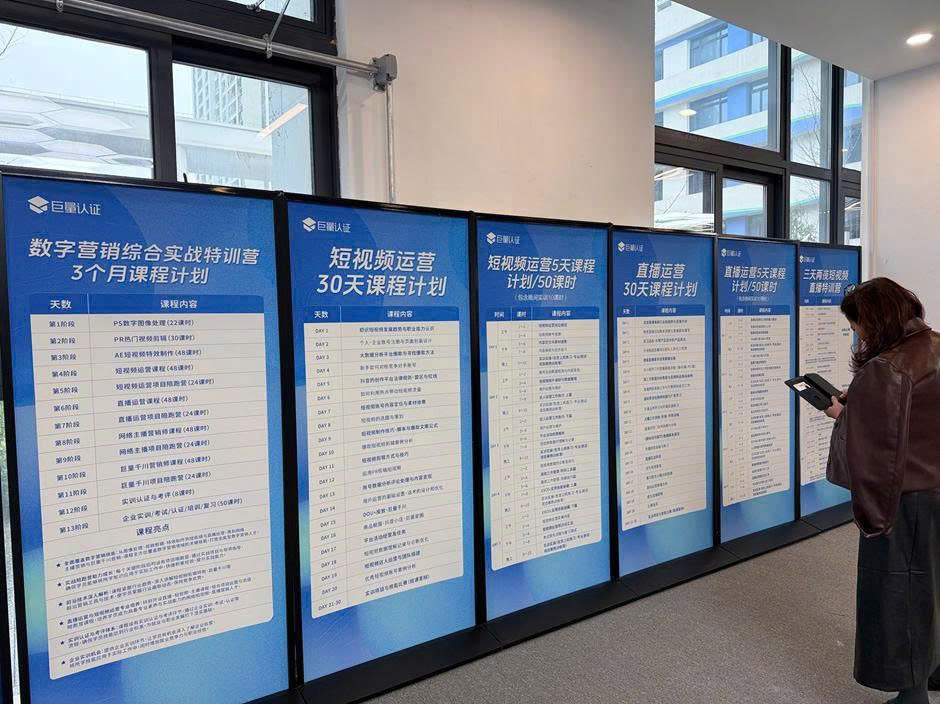
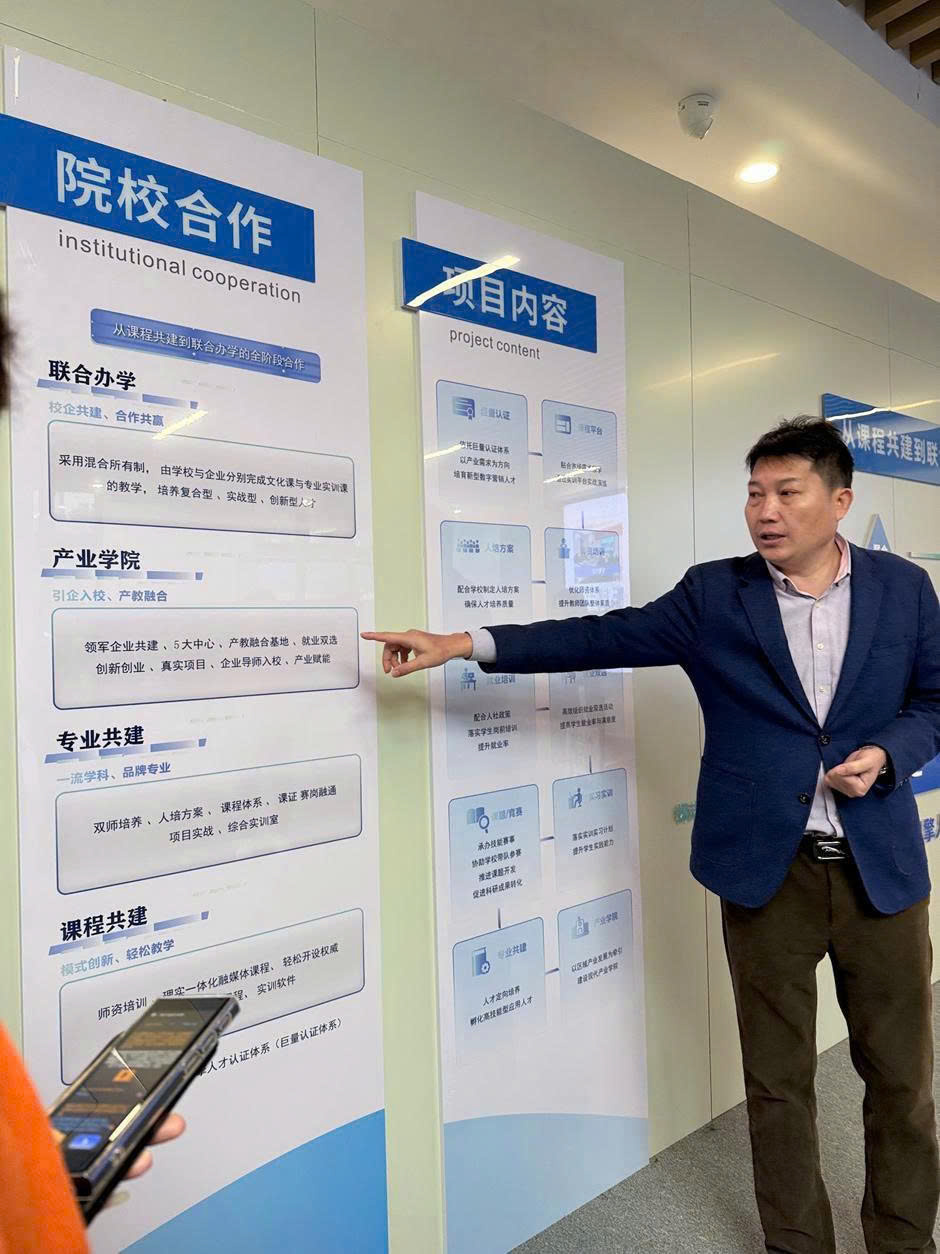
During an official working visit to the TikTok Academy, the delegation of officials from Lac Hong University (LHU) had the opportunity to directly explore the Digital Marketing training system built upon international professional certificate standards developed by this platform. Moving beyond general observations of facilities and operational models, the most prominent highlight was the systematically structured training curriculum, which tightly aligns with real-world market demands and defines clear career paths for learners.
The media training program under TikTok standards is not structured into fragmented, isolated courses. Instead, it is organized around three core competency pillars:
-
- Digital Content: Focusing primarily on short-form video production.
-
- Commercial Livestreaming: Where digital content is directly converted into revenue.
-
- Marketing and Data Analytics: Enabling operational optimization across the platform.
This structure forms a comprehensive competency framework for the TikTok ecosystem, where content creation, distribution, and commerce are seamlessly integrated.

Short-Form Video Production: From Fundamentals to Strategic Execution
Within the curriculum structure, short-form video serves as the most critical foundation, acting as the primary touchpoint between content creators and platform users. The training objective extends beyond producing aesthetically pleasing videos, aiming to build content with high potential for virality, engagement, and conversion.
Students are equipped with comprehensive knowledge regarding how platforms distribute content, the mechanics behind video recommendation algorithms, and the key factors driving virality. Consequently, learners understand why a specific video can attract millions of views while another fails to generate engagement.
Furthermore, channel development is approached as a structured brand-building process. This includes personal or corporate positioning, profile optimization, and maintaining visual and thematic consistency. Content strategies are formulated based on trend research, identifying core themes, and developing long-term content pipelines.
Scriptwriting skills receive significant emphasis, requiring students to capture audience attention within the opening seconds, maintain narrative flow, and effectively guide viewers toward specific call-to-actions. In parallel, students undergo technical training in filming and editing, covering camera angles, lighting, audio engineering, and the utilization of popular video editing tools.
Crucially, the entire content production process is driven by data analytics. Learners are trained to interpret key performance indicators (KPIs) such as total views, watch time, and engagement rates, enabling them to conduct split tests to optimize their content effectively.

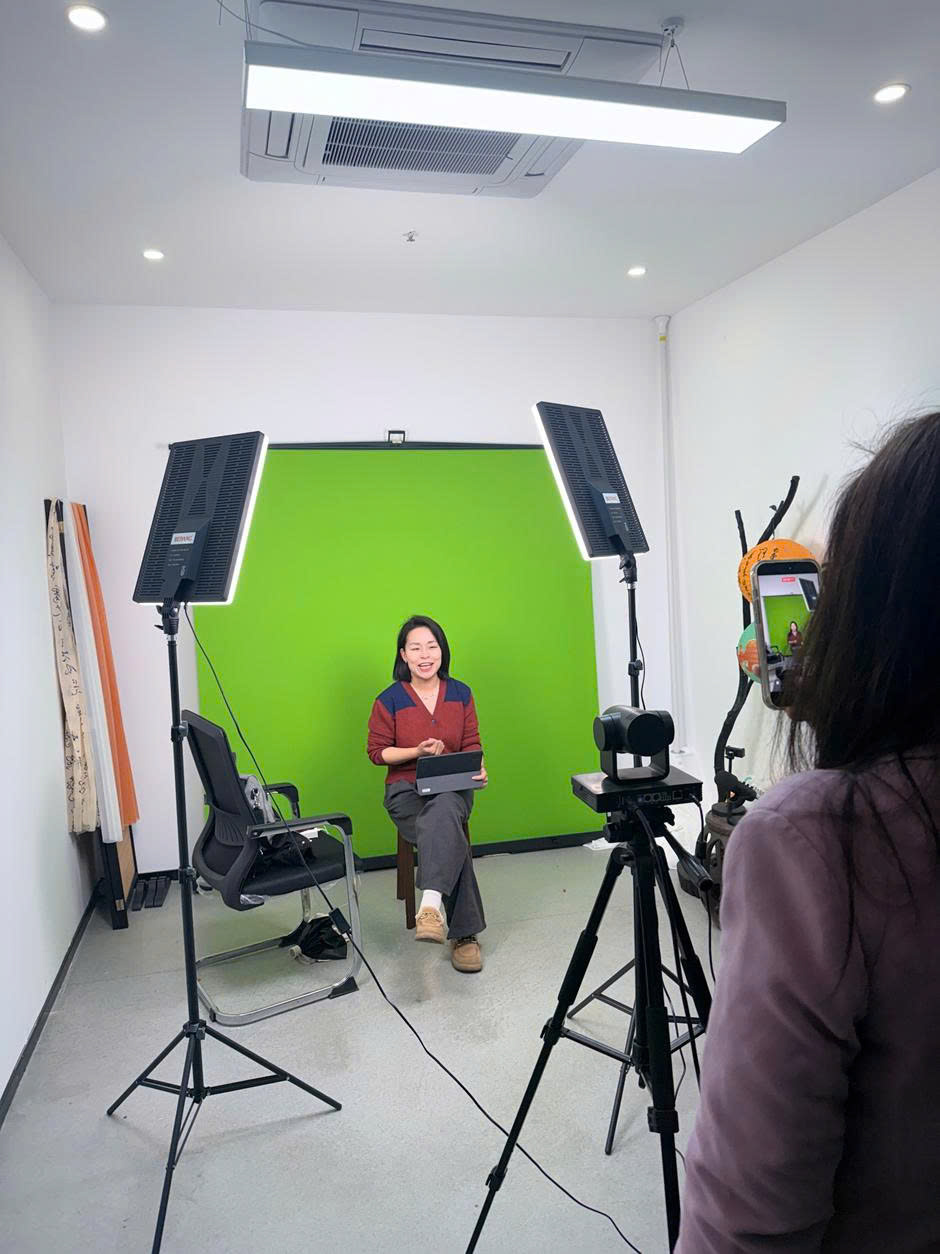
Livestreaming – Transforming Content into Revenue
If short-form videos serve as the primary tool for audience acquisition, livestreaming acts as the direct driver of economic value. Within this training curriculum, livestreaming is treated not as an auxiliary activity, but as a core professional skill.
Students gain insights into contemporary livestream commerce trends and operational procedures on the TikTok Shop platform. Every component is standardized to professional workflows—ranging from setting up a functional livestream studio with specialized equipment to developing structured scripts for individual broadcasting sessions.
Communication, persuasion, and real-time problem-solving skills are honed through practical workshops where students actively take on the role of live hosts. Additionally, product selection, pricing strategies, and promotional campaign design are thoroughly integrated into the instructional content.
Following each livestream session, performance data is thoroughly analyzed to evaluate effectiveness, measuring everything from concurrent viewership to conversion rates. This analysis forms the basis for learners to refine their approaches and enhance sales performance.

Marketing and Data – The Deciding Factors in Operational Efficiency
Alongside content creation and livestreaming, the program places a distinct emphasis on the role of marketing and data analytics. In an increasingly competitive landscape, mastering advertising tools has become an indispensable skill set.
Students are instructed on how to navigate the TikTok Ads manager system, deploy diverse advertising formats, and execute targeted customer acquisition strategies. The program clearly delineates the differences between organic traffic and paid traffic, enabling learners to strategically combine both elements within a comprehensive marketing blueprint.
The capability to read and analyze data is established as the bedrock for strategic decision-making. Performance metrics—including click-through rates (CTR), ad spend, and conversion rates—are utilized to evaluate campaign health and drive optimization. Through continuous testing and scaling, students progressively develop a data-driven marketing mindset.
Integration with E-Commerce and the Retail Ecosystem
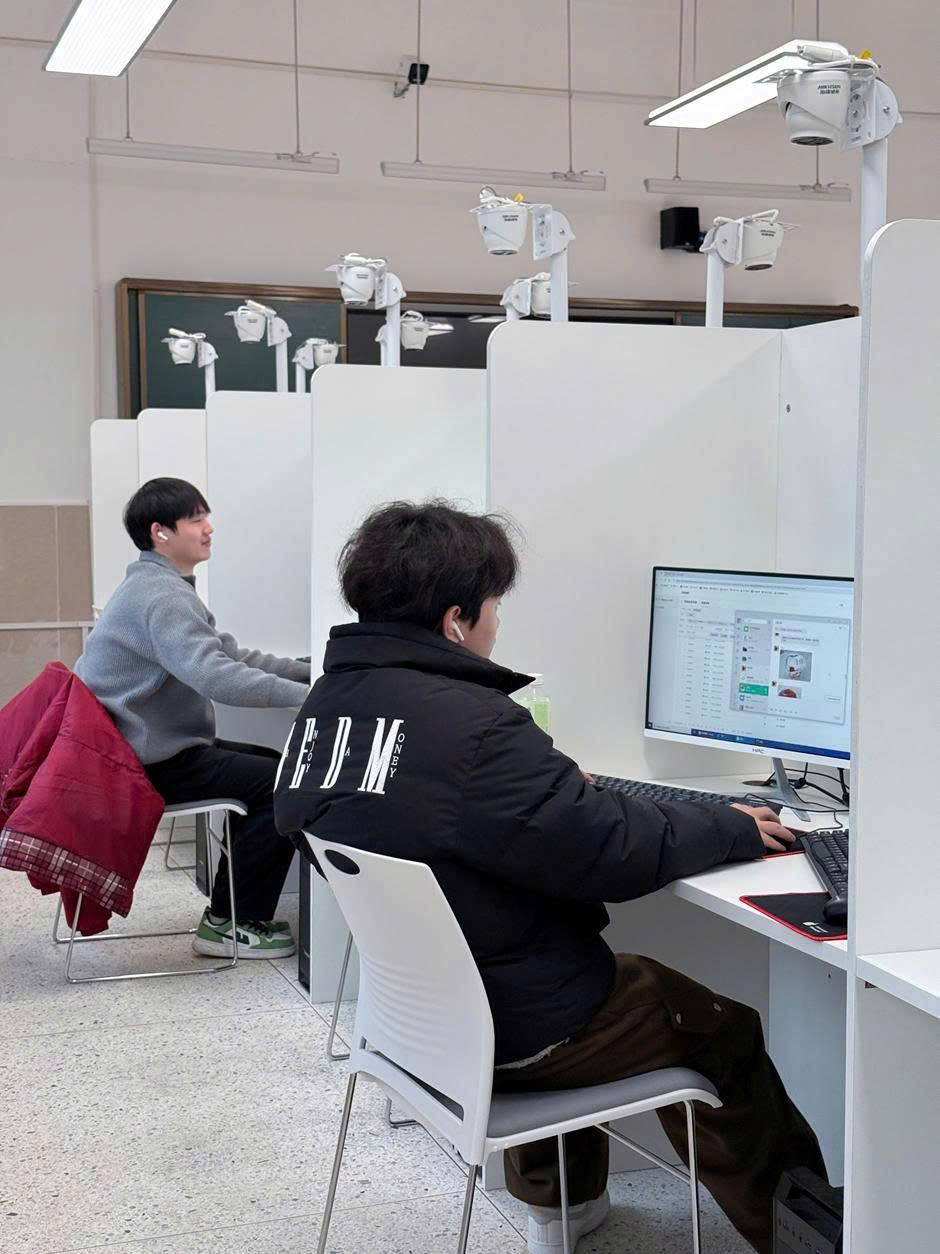
Another prominent feature of the curriculum is its deep integration with e-commerce operations. Students do not merely stop at creating engaging content or running ad campaigns; they are fully trained in storefront management, order fulfillment, and customer relationship management (CRM) on the platform.
This comprehensive approach ensures learners grasp the entire digital value chain, from initial viewer acquisition to order conversion and post-purchase customer retention. This knowledge provides a solid foundation for students to integrate into existing digital business operations or launch their own digital entrepreneurial ventures.

Project-Based Practicum – The Center of the Training Curriculum
The core differentiator of this training approach lies in its intensive practical application. Students do not learn through theoretical simulations; instead, they directly establish live TikTok channels, produce video content, host livestream sessions, and manage real-budget advertising campaigns in actual market environments.
Every performance metric is directly tied to measurable indicators, including view counts, follower growth, and generated revenue. Consequently, the educational experience transitions into an authentic workplace environment where learners continuously test, adjust, and optimize operational efficiency.

International Professional Certificates – The Benchmark for Practical Competency
Upon successful completion of the curriculum, students are eligible to participate in professional assessment examinations developed by the TikTok ecosystem. These certifications cover key operational domains, including short-form video operations, livestreaming, store management, paid advertising, and content creation.
Distinct from traditional academic degrees, these are practical, skill-verified credentials widely recognized by modern enterprises as a benchmark for competency assessment. This validation provides students with a significant competitive advantage when entering the global labor market.
Cultivating Talent for Specific Career Roles
A notable highlight of this methodology is its alignment with specific job titles. Rather than following a generalized curriculum, students are oriented toward specialized career paths, such as Digital Content Creators, Livestream Commerce Hosts, or Paid Media Specialists.
The curriculum allocates the majority of its hours to practical application, combining real-world corporate projects with direct mentorship from industry experts. As a result, graduates not only master essential technical skills but also possess the agility to adapt instantly to corporate environments.
Conclusion
Approaching media training through the lens of TikTok international professional certificates provides Lac Hong University with innovative perspectives on education in the digital era. This initiative represents not only an upgrade in instructional content but also a fundamental shift in educational methodology—aiming to cultivate professionals capable of generating tangible value from digital content and fully prepared to enter the workforce immediately upon graduation.